California Poppy: The Gentle Golden Sedative of the West
By Arash Bozorgmehr
What is California Poppy?
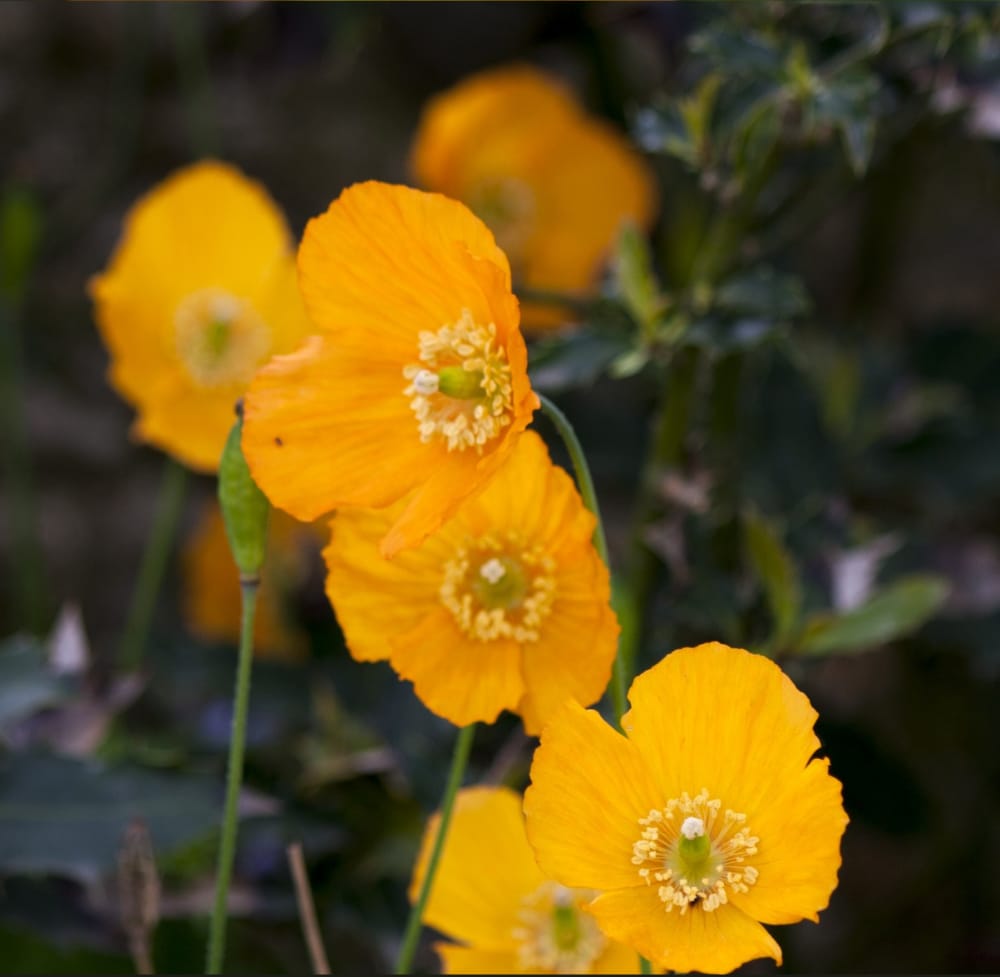
California poppy (Eschscholzia californica), often called golden poppy, California sunlight, or cup of gold, belongs to the Papaveraceae family - it’s usually an annual but can act like a short-lived perennial. Found across western North America, stretching from southern Washington down to Baja California and reaching into Arizona plus New Mexico, this plant favors dry grasslands, scrubland zones, along with open spots on sandy soil.
Standing between 15 and 60 centimeters high, it features soft, fern-like foliage colored pale blue-green; its vivid blooms range from orange to deep yellow, occasionally showing up creamy white or reddish tones - these blossoms spread wide under direct sunshine yet shut when temperatures drop or skies cloud over.
Flowering occurs mainly from late winter until midsummer, transforming large stretches of hill country into glowing patches throughout its natural habitat. The whole plant above ground gets collected while it blooms - mainly for healing purposes. Despite being California’s designated state flower, it stands out as the sole poppy native to North America commonly applied as a calming remedy.
Potential Benefits of California Poppy: Centuries of Traditional Use
California’s Native groups - like the Chumash, Costanoan, or Miwok - relied on the poppy well before Europeans arrived.
The fresh or dried stems and leaves made a tea that calmed restlessness in kids along with grown-ups - helping sleep plus easing tooth, head, or belly discomfort. Instead of swallowing, some chewed the foliage or packed it on cuts, sores, also sore breasts while breastfeeding.
Spanish newcomers called it “amapola del campo,” drinking the brew to reduce stress or jitteriness.
In the 1800s, U.S. doctors added it to herbal treatments as a safer option than opium for trouble sleeping, tense nerves, or slight pain. Its soft effect paired with a sweeter flavor made it popular especially among young patients.
For relaxation and sleep support, also explore Lavender.
California Poppy in Medicine: What the Science Truly Says
Current studies are still narrow though they repeatedly point to slight calming, anxiety-reducing, and pain-relieving effects - unlike opium poppy (Papaver somniferum), it doesn’t carry addiction risks.
Tests on animals show that higher doses lead to more drowsiness, less movement, or longer sleep when using water-based or alcohol-based plant extracts. Instead of stimulants, key compounds - like californidine, eschscholtzine, and protopine - affect brain signals linked to relaxation, working through GABA and benzodiazepine pathways. Though milder than standard medications, these substances still help calm the nervous system.
Limited trials in people suggest benefits for light sleep issues or anxious feelings, with results appearing half an hour after intake and without sluggishness the next day. In one controlled trial involving kids, those given California poppy combined with magnesium improved notably better than others who received inactive pills.
Topical treatments display slight anti-inflammatory effects along with wound-recovery traits in animal studies. In contrast to real opium, the California poppy lacks morphine or codeine; it’s viewed as non-narcotic and non-habit-forming, even when used heavily.
How Much California Poppy Should You Take?
No set dosage is established; however, both old and current recommendations align.
Dried plant tops used for infusion: 1–2 g (about a teaspoon), soaked 10–15 min, consumed once to thrice per day or half to one hour prior to sleeping.
Alcohol extract: ratio 1:5, using 50–60% ethanol; take 1–2 mL (roughly 20–40 drops) no more than three times each day - or double that dose when preparing for rest.
Pills with fixed potency: equal to 300–400 mg dry material; ingest one or two pills up to three times every twenty-four hours. Begin at minimal levels particularly in younger individuals or older persons; refrain from handling vehicles or heavy tools unless effects are clearly understood.
You can plant california poppy seeds and create your own heavenly backyard pharmacy. Get your hands on a kit of 10 medicinal herbal seeds and boost the health of you and your loved ones today!
Who Should Avoid California Poppy?
Some people sensitive to plants like poppies might get slight skin irritation or breathing issues.
For pregnant or nursing women, it’s better to skip high amounts since there's little proof on safety and old practices suggest it affects uterus muscles.
If using strong sleep medications, such as tranquilizers or similar brain-slowing drugs, mixing could increase drowsiness - so proceed carefully or stop one option.
Anyone planning an operation needs to halt intake around fourteen days before because of calming properties that interfere with anesthesia.
Side Effects and Interactions of California Poppy
When taken as directed, side effects rarely occur - most are minor. Some users report mild nausea or digestive discomfort; others feel sluggish the following day if they exceed the dose. There’s no evidence of dependency. Even with long-term use, withdrawal hasn’t been observed.
It might boost the impact of alcohol, benzodiazepines like diazepam or lorazepam, sleeping pills such as zolpidem, also other depressants - this could raise sleepiness and breathing problems if taken in large amounts. There’s no strong evidence showing issues when mixed with antidepressants, anticoagulants, or widely used drugs.
Key Takeaways
California poppy (Eschscholzia californica) blooms softly in gold across western America; it's been used for generations to ease restlessness, support sleep, calm nerves, or soothe discomfort - often chosen for kids and those easily overwhelmed.
Studies today show it helps relax the mind and encourages better sleep, yet doesn't carry the dependency concerns linked with opium-based plants.
One of the gentlest calming herbs around, rarely causing issues or addiction. Yet expectant mothers, individuals using heavy tranquilizers, or anyone pre-operation ought to skip it.
When dealing with sporadic insomnia, slight nervousness, or seeking a soothing evening drink without dependency risks, this golden-flowered plant provides a trusted, minimal-risk choice - use small amounts and welcome quiet relaxation.