Lavender: The Fragrant Flower of Calm and Healing
By Arash Bozorgmehr
What is Lavender?
Lavender (Lavandula angustifolia), often called English or true lavender, belongs to the mint family and stays green year-round. Although originating around the Mediterranean - from Spain through Greece up into alpine areas - it’s cultivated globally where sunlight and drainage are adequate.
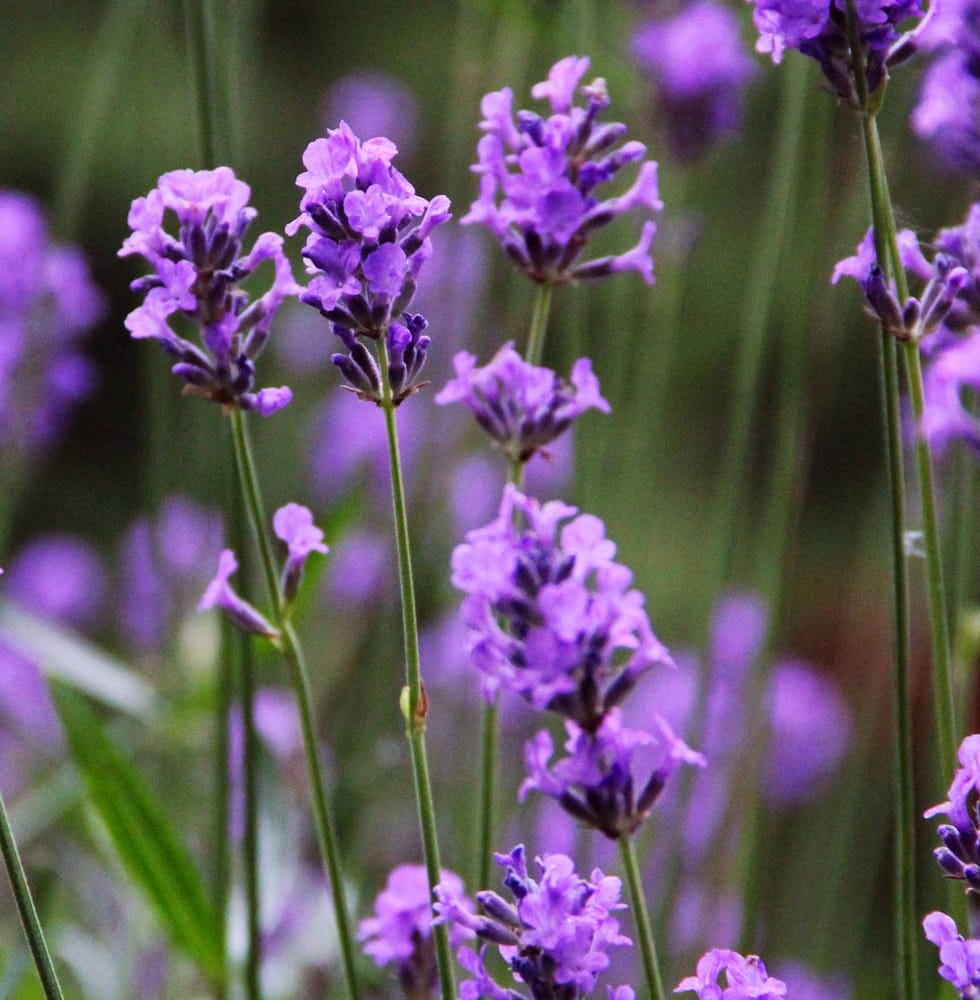
This small shrub typically stands between 30 and 90 centimeters high. Its slender leaves have a silvery-green tint; blooms appear on long stems as dense clusters of tiny flowers, usually violet-blue though occasionally pink or white.
Flowering occurs from early to late summer. Harvest takes place when buds begin opening, at which point the characteristic sweet aroma - slightly camphorous - is strongest. While more than four decades’ worth of species exist, this particular type remains the go-to for therapeutic use due to rich levels of linalool and linalyl acetate.
Potential Benefits of Lavender: Centuries of Traditional Use
Lavender’s legacy stretches back 2,500 years - used by Egyptians for preserving bodies, while Romans scented baths with it.
Galen plus Dioscorides applied the oil to ease headaches along with nerve fatigue. In medieval times, nuns scattered it across floors to clean spaces while soothing minds.
Herbal healers in Europe gave lavender tea for light sleep support, stomach relief, or muscle spasms tied to cramps and fast heartbeats.
People dabbed it on temples to help head pain, breathed in its steam during coughs or chest issues, then spread it via ointments when treating skin injuries, cuts, or joint stiffness.
For soothing throat and digestive issues, see Marshmallow.
In Victorian days, lavender water was known to revive people who fainted or felt anxious. Meanwhile, traditional French healing practices continue using it to support rest and steady emotions.
Lavender in Medicine: What the Science Truly Says
Recent medical studies clearly show lavender helps reduce stress while promoting recovery.
Randomized trials indicate Silexan - taken by mouth at 80–160 mg per day - lowers anxiety levels about as well as lorazepam or paroxetine; yet it doesn’t cause drowsiness or addiction.
Breathing in lavender scent, either through aromatherapy or during massage, reliably eases nervousness before surgery, helps people sleep better, while also calming restlessness in those with dementia.
When applied to skin, this oil supports quicker recovery from small burns, cuts, plus discomfort after childbirth, outperforming povidone-iodine in one study.
Multiple solid trials show drinking lavender tea or taking capsules can ease light sleeping problems along with stomach tightness. The key components - linalool and linalyl acetate - affect GABA receptors, thereby lowering sympathetic nerve activity.
While German Commission E supports lavender use for restlessness and low mood, the EMA endorses it for sleep issues.
You can plant lavender seeds and create your own heavenly backyard pharmacy. Get your hands on a kit of 10 medicinal herbal seeds and boost the health of you and your loved ones today!
How Much Lavender Should You Take?
Fixed amounts based on trial results
Tea: Use 1–2 g (one tsp) dried flowers, brew for 5–10 min, drink 1–3 times per day - or just one cup at bedtime.
Capsules (like Silexan): Take 80–160 mg of standardised oil each morning.
For scent therapy: Add 2–4 drops to a diffuser or pillow - alternatively, mix 1–2 drops into 10 mL base oil for skin rubs.
On skin: Apply products containing 1–5% lavender oil via lotions or bath soaks. Kids above age six may take half the adult portion; do not give internal forms to children below six unless it’s tea - and only then with care.
Who Should Avoid Lavender?
Some people sensitive to plants like mint or sage might get skin irritation or breathing issues.
For expectant or nursing mothers, sticking to typical dietary or topical usage is wise - there’s limited evidence on heavy intake.
If planning a surgical procedure, avoid lavender oil products beforehand because they can have calming effects.
People managing certain health concerns linked to hormones should be cautious with long-term, high-volume consumption since extreme levels could influence hormonal balance.
Side Effects and Interactions of Lavender
Side effects occur infrequently, usually minor - some report burping or skin discomfort if using full-strength oil. In higher amounts by mouth, people might feel sleepy or queasy.
Lavender oil can deepen drowsiness when used alongside benzodiazepines, barbiturates, alcohol - also with similar CNS-acting substances. Its impact on blood pressure meds might rise a little due to reduced nerve activity. Still, no major side effects are commonly seen with usual amounts.
Key Takeaways
Lavender (Lavandula angustifolia) is a scented purple bloom used for ages to soothe nerves, help sleep, ease digestion, or treat small wounds.
Today’s medical studies back its role in reducing anxiety, improving rest, healing light burns, or relieving stress-linked tightness - this makes it one of the most studied scent-rich plants.
When used correctly, it's highly safe; however, those allergic to mint plants should take care.
It may cause drowsiness if combined with calming substances.
Pregnant women ought to skip strong oral amounts.
If your thoughts won't settle, you're lying awake at night, or have a small burn needing relief - try lavender oil or tea. This time-tested option is supported by research and still holds value today.