Marshmallow: The Soothing Root That Heals from Within
By Arash Bozorgmehr
What is Marshmallow?
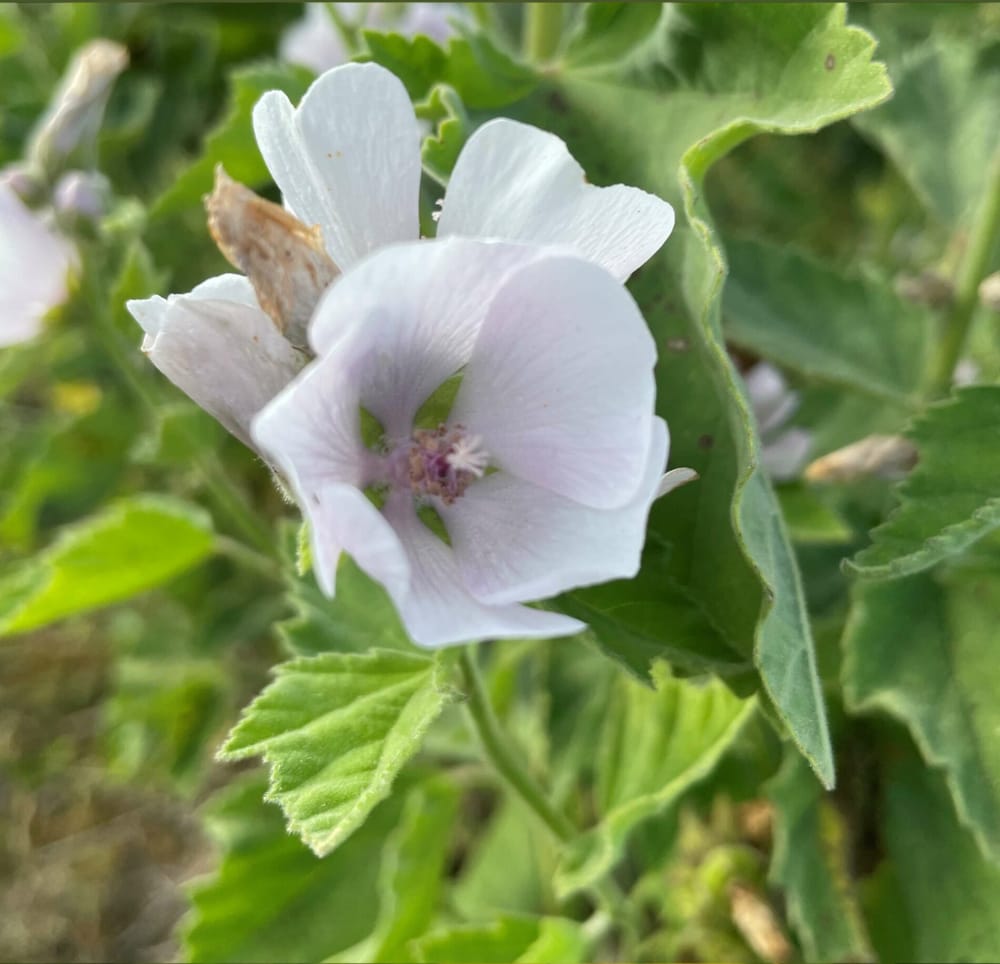
Marshmallow (Althaea officinalis), often called marsh mallow, white mallow, or sweet weed, belongs to the Malvaceae family; this soft-leaved perennial thrives across Europe, western Asia, and parts of northern Africa. It typically grows in salty wetlands, moist fields, or beside rivers - stretching from southern England down to the Mediterranean region.
Usually standing between 1 and 2 meters high, its foliage features fuzzy, light-green leaves resembling either a rounded heart or a maple shape. Blooming from mid-summer into early fall, it produces small groups of delicate flowers ranging from faint pink to almost pure white, each having five petals.
The thick, fleshy taproot - sometimes also the leaves or flowers - is collected for medicinal use. The genus name stems from the Greek word “altho,” which means “to heal”; this plant inspired the name of today’s marshmallow candy, once created by mixing the root’s slimy sap with sugar.
Potential Benefits of Marshmallow: Centuries of Traditional Use
Marshmallow served medicinal purposes for around 2,500 years; starting in ancient Egypt, then moving into Greek practices. Over time it spread across medieval Europe while also being utilized within traditional Chinese healing systems.
Hippocrates used it for coughs and throat pain; meanwhile, Arab doctors gave the root to calm lung and bladder irritation.
In Europe’s herb tradition, cool teas or syrups eased dry coughs, breathing issues, and strained voices. Instead of tablets, people blended ground root with honey to help mouth sores and stomach burn.
On skin, mashed root or leaves were applied to redness, swelling, injuries, or burned areas. It served internally as a mild laxative, acting also as a diuretic while supporting digestion in cases of gastritis, ulcers, or bowel discomfort.
Following European arrival, Indigenous people began using it likewise - particularly for throat pain and bladder issues.
Marshmallow in Medicine: What the Science Truly Says
The root contains a lot of mucilage - up to 35% - which explains its proven calming effect. Soaked in cold water, the polysaccharides expand into a protective gel layer on mucosal surfaces.
Clinical research - limited in size and often outdated - backs its historical applications. Despite this, Germany’s Commission E endorses marshmallow root for soothing throat and mouth irritation, as well as gentle stomach lining inflammation.
In controlled tests, syrups or lozenges made from it noticeably cut both how often people cough and how severe it is during airway infections; results match certain lab-made remedies, yet side effects are fewer.
When applied on skin, formulations with marshmallow help small injuries and burns recover faster due to a shielding layer that also calms swelling.
For wound healing and anti-inflammatory benefits, see Yarrow.
Studies on animals and cells show it can reduce inflammation, support gut bacteria, and balance immune response - yet solid proof from big human experiments remains missing.
Still, marshmallow root stands out as a well-backed, low-risk herb for soothing discomfort in the throat, digestive tract, or gut lining.
You can plant marshmallow seeds and create your own heavenly backyard pharmacy. Get your hands on a kit of 10 medicinal herbal seeds and boost the health of you and your loved ones today!
How Much Marshmallow Should You Take?
Dosing depends on the type used or intended use.
Soak 2–6 g (1–2 tsp) of chopped or ground root in 150 mL cool water for 1–2 hrs; then filter and consume this up to thrice each day.
For syrup, take 2–10 mL every eight hours. Use dry powder or pills totaling 3–6 g per 24-hour period. Steep 1–2 g of leaf or bloom material in hot water for 5 to 10 mins - drink no more than three servings daily.
Take a lozenge with 50–100 mg root extract when necessary; follow dosage carefully. Since heat breaks down mucilage, prepare internal remedies using cool or slightly warm water instead.
Who Should Avoid Marshmallow?
Allergy to plants like hibiscus, okra, or cotton is uncommon yet possible - look out for skin reactions or trouble breathing.
For people with diabetes, keep an eye on glucose levels since marshmallow might reduce them a bit.
If planning surgery, avoid large doses at least two weeks before because of potential impacts on blood sugar.
During pregnancy or while nursing, regular dietary intake is generally safe; however, there’s limited evidence on higher therapeutic doses - follow guidelines or talk to a healthcare professional.
Side Effects and Interactions of Marshmallow
Side effects happen almost never. Sometimes, slight digestive discomfort or a brief drop in blood sugar might appear when using large amounts. Since the sticky substance can delay how medicines are absorbed, take marshmallow apart from pills by one full hour. There’s no record of harmful reactions so far.
Key Takeaways
Marshmallow (Althaea officinalis) has long been used to soothe sore throats, dry coughs, stomach irritation, or skin discomfort.
The plant’s sticky sap forms a protective layer on inflamed areas, easing discomfort; research now confirms its value for throat issues and minor gut inflammation.
While historically popular, current studies back its role in relieving upper airway distress and digestive upset.
One of the mildest herbs around - it’s safe for kids, older people, and nearly everyone else, with almost no risk. Just keep it away from meds, use cool prep methods to save the soothing gel.
When dealing with a scratchy throat, sudden acid issues, or irritated stomach tissue, this root stands out as a trusted option backed by proof - and earns its reputation.