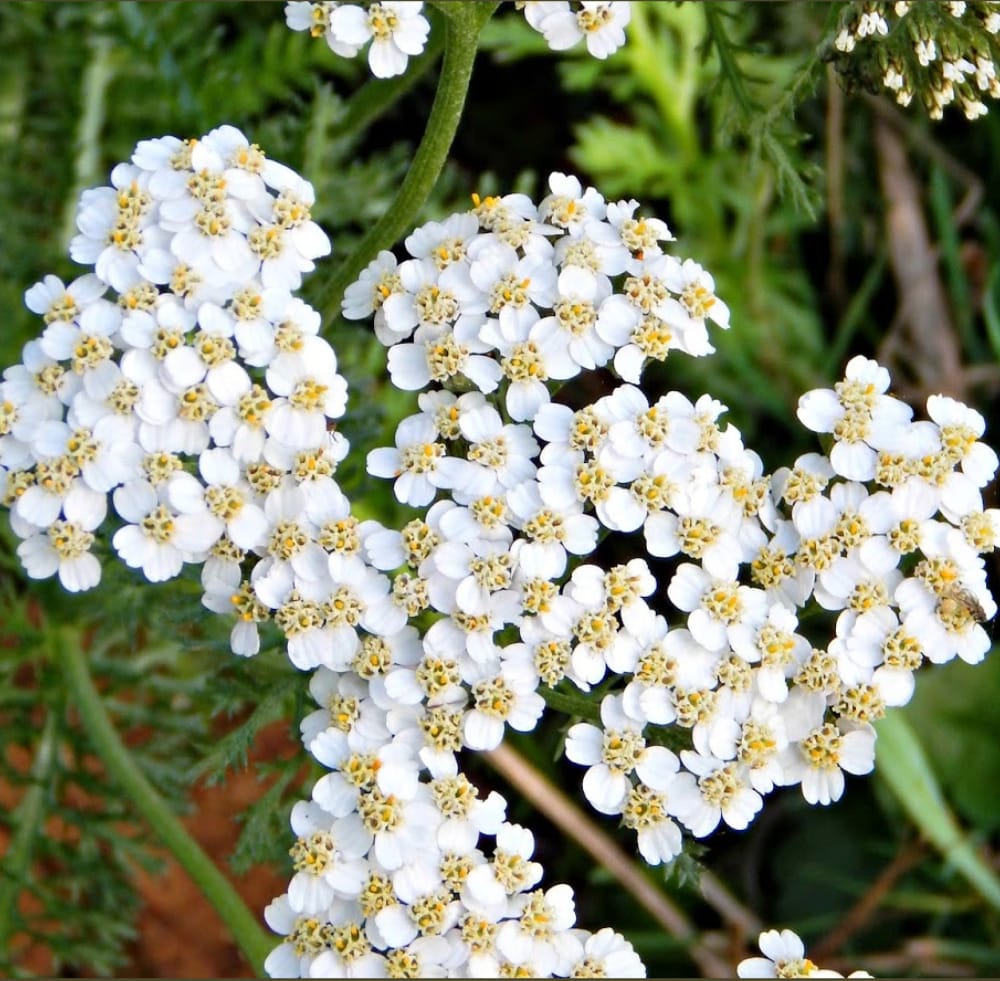
Yarrow: The Ancient Wound-Healer with a Mighty Reputation
By Arash Bozorgmehr
What is Yarrow?
Yarrow (Achillea millefolium), often called milfoil or soldier’s woundwort, belongs to the daisy family and survives many climates. Found originally in Europe, Asia, and parts of North America, this herb now spreads widely - especially near roads, fields, or broken soil. It reaches heights between 20 and 100 centimeters; its finely divided, fragrant foliage inspired the term “millefolium,” meaning thousand leaves.
During warm months until fall, small blossoms form plate-like groups - mostly white, though some appear pinkish or reddish - and these blooms draw pollinators like bees as well as butterflies. The entire aerial part of the plant is collected at peak flowering for medical purposes. The genus name pays tribute to Achilles, a Greek warrior said to have applied yarrow in healing troops' injuries throughout the conflict near Troy.
Potential Benefits of Yarrow: Centuries of Traditional Use
Yarrow’s been valued more than three millennia throughout Europe, yet also in parts of Asia alongside Indigenous American practices, being seen as a key herb for stopping bleeding while aiding recovery.
In ancient Greece or Rome, this herb topped battlefield treatments - pressed into wounds to halt bleeding while guarding against infection.
Medieval European healers placed mashed fresh leaves on nosebleeds, scrapes, or excessive menstruation to slow blood flow. Potent infusions served as digestive aids, induced sweating during fevers, supported kidney function, or triggered late periods when needed.
Applied outside the body, it cleaned irritated skin, rashes, plus swollen injuries. In traditional Chinese practice, a close relative (A. sibirica) helped balance circulation and reduce inflammation.
For skin healing and immune support, explore Calendula.
Native Americans used leaf chewing to ease tooth pain; they applied poultices on injuries like sprains or bruises. Tea from the plant treated fevers and colds in traditional care.
In various societies, yarrow gained spiritual value - worn in protective charms or tossed at weddings to symbolize enduring affection.
Yarrow in Medicine: What the Science Truly Says
Current studies on yarrow are few, yet they tend to back older practices involving skin application or gentle internal use.
Laboratory tests reveal powerful anti-inflammatory effects due to flavonoids such as apigenin and luteolin, alongside sesquiterpene lactones and essential oils. Instead of typical pathways, these compounds also display notable antimicrobial action. While research focuses on plant extracts, results highlight clear antioxidant properties.
In animal testing, achilleine and related alkaloid components promote blood coagulation. Although data is limited, early human trials suggest yarrow applied topically aids small wound recovery. For instance, patients with hemorrhoids experienced reduced swelling after use.
A short randomized trial showed that an ointment made from yarrow eased eczema just as well as a 1% hydrocortisone cream.
Older European tests suggest oral yarrow tea may slightly ease muscle spasms while boosting bile flow; Germany permits its use for poor appetite and minor digestive issues.
Still, solid clinical research in humans is missing - support for reducing fever, balancing periods, or lowering blood pressure relies solely on informal reports or animal findings.
You can plant yarrow seeds and create your own heavenly backyard pharmacy. Get your hands on a kit of 10 medicinal herbal seeds and boost the health of you and your loved ones today!
How Much Yarrow Should You Take?
No standard dose is set because products differ widely.
Use 1–2 g (about one teaspoon) of dried herb per 150 mL hot water; let it sit 10 to 15 minutes, then strain - consume two or three times each day when needed for digestion or mild fever.
As an alternative, apply fresh ground leaves straight onto skin for localized relief, otherwise use creams with 15–30 percent yarrow extract multiple times throughout the day.
For liquid form, take 2–4 mL of tincture (prepared at 1:5 ratio in 45% ethanol), usually three times daily. Begin on the lower end unless directed higher, particularly during use related to cycle regulation or circulatory changes.
Who Should Avoid Yarrow?
Individuals sensitive to plants like ragweed or chamomile might react with rashes, breathing issues - or seldom - severe allergic responses.
Expecting mothers ought to skip therapeutic amounts by mouth since yarrow can stimulate menstrual flow and possibly lead to pregnancy loss.
Nursing moms don't have enough evidence on safety; hence, usage isn’t advised.
If planning surgery, discontinue yarrow well ahead - it may affect clot formation while adding slight calming action.
Side Effects and Interactions of Yarrow
Yarrow usually causes no issues. Most often, it leads to skin rashes in people prone to allergies upon direct use. Taking large amounts by mouth might result in lightheadedness, increased sun sensitivity, or slight stomach discomfort.
It might raise the chance of bleeding if used alongside blood-thinning medicines like warfarin, aspirin, or clopidogrel - this comes from its coumarin and salicylate compounds.
When mixed with calming agents such as benzodiazepines, sleep aids, or alcohol, yarrow could deepen drowsiness. Small drops in blood pressure or glucose are possible; therefore, those on relevant treatments should use care.
Key Takeaways
Yarrow (Achillea millefolium) features soft, fern-like leaves and a noticeable scent; it’s been used since ancient times to help stop bleeding, ease swelling, or reduce fever.
Recent laboratory tests along with limited human trials confirm past uses - applied on skin for small wounds, irritated patches like eczema, or swollen veins near the anus, while taken by mouth in gentle doses to aid digestion due to its slightly bitter taste.
Large studies haven’t yet confirmed many past uses, like managing periods or high blood pressure.
While usually safe if taken correctly, individuals allergic to plants in the daisy group, expectant mothers, and anyone using anticoagulants or calming medications ought to steer clear - or consult a specialist first.
A reliable remedy for wounds, a soothing drink made from strong tea to calm digestion, yet also a lovely plant blooming in fields that lives up to its bold reputation - yarrow stands out as a simple, safe herb when used wisely; still, acknowledge its strength and limits.